
Recession Resilience
During the 2008 financial crisis, manufactured housing communities experienced lower vacancy rates than any other commercial real estate sector. Demand for affordable housing increases during economic downturns.
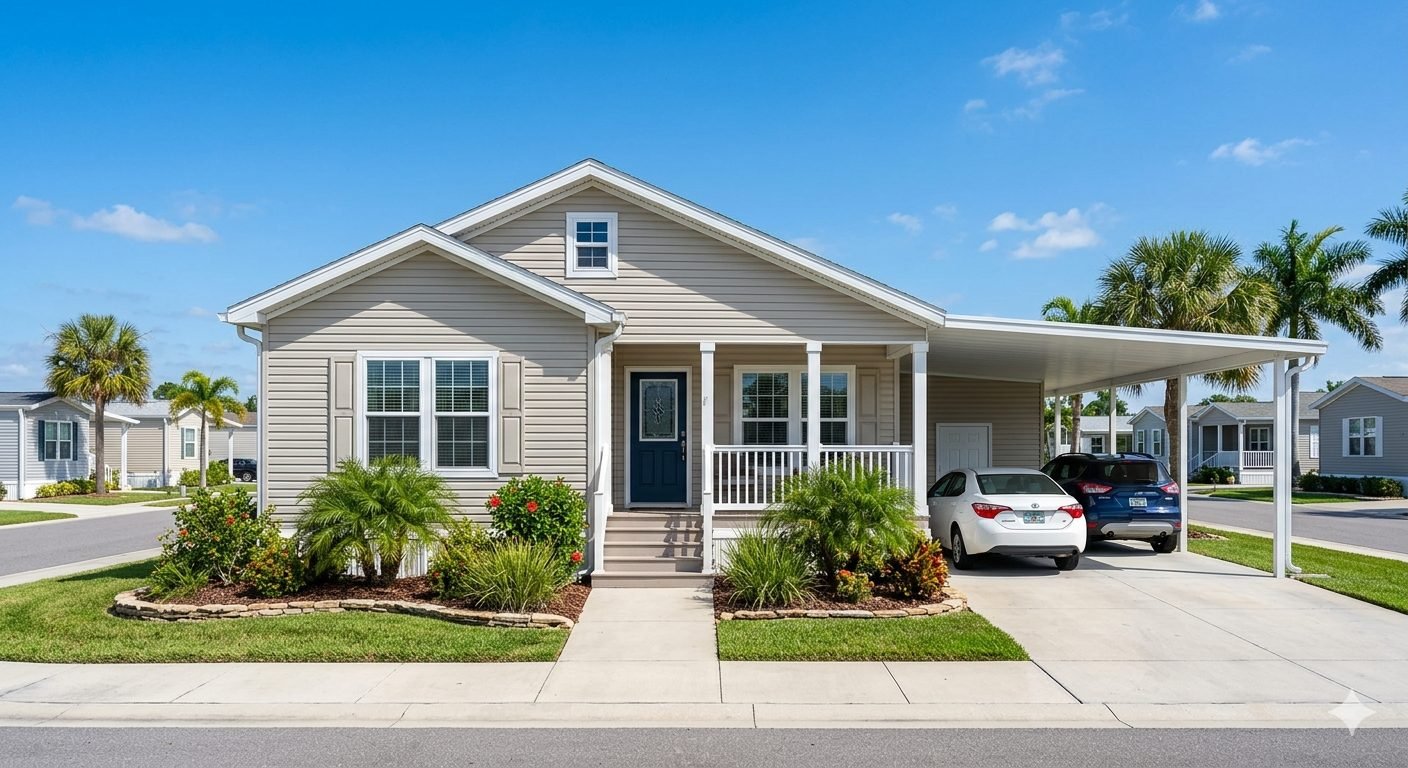
Manufactured housing communities are one of the most compelling asset classes in real estate. Stable cash flows, recession resilience, and structural demand drivers make them a cornerstone of attainable housing in America.
More than 22 million Americans live in manufactured homes. These communities provide quality housing at a fraction of the cost of site-built homes, without government subsidies. For investors, they offer a rare combination of stable income, low turnover, and limited supply.
Unlike apartments, manufactured housing community operators typically own the land and infrastructure while residents own or rent their homes. This model creates a durable revenue stream anchored by the high cost of relocating a manufactured home.
During the 2008 financial crisis, manufactured housing communities experienced lower vacancy rates than any other commercial real estate sector. Demand for affordable housing increases during economic downturns.
Zoning restrictions and NIMBYism make it extremely difficult to build new communities. Existing parks benefit from a natural barrier to competition.
Moving a manufactured home costs $5,000 to $15,000 or more. This anchoring effect creates long-term tenancy and stable occupancy rates.
Lot rent is the primary revenue source. With low capex requirements relative to apartments, manufactured housing communities generate strong, predictable cash flows.
Aging baby boomers, rising home prices, and workforce housing shortages are driving sustained demand for manufactured housing across the country.
Many communities are owned by aging operators and suffer from deferred maintenance. Institutional-quality management can unlock significant value through operational improvements.
Florida has the second-largest manufactured housing inventory in the nation. Favorable demographics, year-round demand, and a growing population make the state an ideal market for manufactured housing investment.
Central and Northern Florida, in particular, offer compelling opportunities: growing employment bases, limited affordable housing supply, and aging community infrastructure that creates value-add potential for experienced operators.
Explore Our MarketsThe terms are often used interchangeably, but "manufactured home" refers to homes built after June 15, 1976, when the HUD Code established construction and safety standards. Homes built before that date are technically "mobile homes." Modern manufactured homes are built to federal standards and offer quality comparable to many site-built homes at a fraction of the cost.
Manufactured housing communities have historically delivered strong risk-adjusted returns. Key advantages include stable cash flows from lot rent, low tenant turnover due to high relocation costs, limited new supply competition, and recession resilience as demand for affordable housing increases during downturns.
Florida combines the nation's highest net domestic migration with a severe affordable housing shortage and the second-largest manufactured housing inventory in the country. Central and Northern Florida offer growing employment bases, retiree migration, and aging community infrastructure that creates repositioning opportunities.
Lot rent (or pad rent) is the monthly fee residents pay to lease the land their manufactured home sits on. Residents typically own their home but rent the lot. This model creates a stable, recurring revenue stream for community operators.
Historically, manufactured housing communities have been among the most recession-resilient real estate asset classes. During the 2008 financial crisis, manufactured housing experienced lower vacancy rates than apartments, office, retail, or industrial properties. Demand for affordable housing increases during economic uncertainty.
Let's discuss how Florida's manufactured housing market fits your investment goals.